Cape Coral homes don’t sell the way inland homes do. Sunlight hits differently here, buyers arrive with a very specific lifestyle in mind, and the first impression begins well before they step through the front door. I have watched buyers decide within seconds at the curb whether a place even fits the picture in their heads. That is why staging in Cape Coral is less about perfectly plumped pillows and more about creating an effortless, waterfront state of mind that buyers can feel the moment they pull up.
Over the years, working as a Real Estate Agent guiding sellers across the Cape’s canal neighborhoods, I have learned which small moves punch far above their weight. These aren’t abstract design notes. They are details from real showings, open houses that turned stagnant listings around, and little upgrades that returned several times their cost. If you want to sell faster and with fewer concessions, anchor your staging to what Cape Coral buyers actually want: easy living, indoor-outdoor flow, a coastal palette, and signs the home is cared for in our climate.
Understand the Cape Coral buyer’s mental picture
The buyer standing in your foyer is often coming from the Midwest or Northeast, sometimes Germany or Canada, and they have looked forward to this move for years. Many are cash buyers or working with 1031 timelines. They are not just buying rooms. They are buying sun, water, palm shadows across pavers at 5 p.m., and afternoons on a lanai that feel private even when neighbors are close.
Put yourself in their shoes. When they walk in, they should see three things within the first ten steps: natural light, a line of sight to outdoor living, and proof that the home is easy to maintain. If any of those three are missing, price has to do more work. If all three are clear and compelling, you win showings before buyers even reach the kitchen.
Start with climate-smart curb appeal
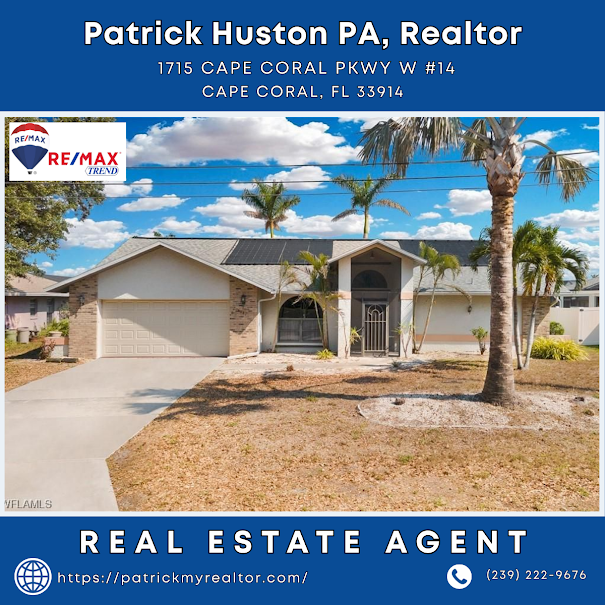
Curb appeal here has less to do with clipped hedges and more to do with a tidy, tropical frame that signals low maintenance. A common mistake is overplanting. In our heat, that quickly looks wild. Aim for a clean, uncluttered front with a focal palm, crisp edging, and a contrast of textures. A Sylvester or Pygmy Date Palm with low, drought-friendly plantings like coonties, silver saw palmetto, or dwarf bougainvillea photographs beautifully and stands up to salt air.
Fresh river rock or shell mulch keeps weeds down and looks neat under afternoon sun. If you have lawn, mow high to keep it green, and trim the edges to a straight, confident line. Pressure wash the driveway, walkway, and front entry. Buyers may not notice a spotless paver drive, but they definitely notice tire shadows, algae stains on a screen cage, or rust marks around irrigation heads. Those small signs telegraph how the rest of the home is cared for.
Check the front door. A sun-faded door and tired hardware create a speed bump at the entry. A simple repaint in a coastal color - soft charcoal, clean white, or a deep nautical blue - with fresh hardware says the home is updated without trying too hard. Add a mat that looks new, not clever, and remove overcrowded pots so the entry breathes.
Make the water and the lanai the co-stars
In Cape Coral, even non-waterfront homes compete with canal lifestyles. If you do have a canal, the water should pull buyers through the home like a magnet. If you do not, your staging should still sell outdoor living and privacy.
Open sightlines. When I stage, I remove anything that interrupts the view to sliders: bulky console tables behind sofas, tall ficus plants crammed in corners, heavy drapes, and even televisions that pull eyes inward. Replace busy window treatments with light linen panels or leave them off entirely if privacy allows. Clean the slider tracks and make sure all panels glide easily with a fingertip. Stuck sliders kill momentum on showings.
On the lanai, I focus on conversation zones. Outdoor furniture should be scaled to the space. A pair of cushioned chairs with a low table often beats a crowded sectional. If you have room, create two zones - one for lounging by the pool and one for dining - with a rug to visually separate them. Think texture and comfort: woven rattan, soft outdoor throws, and a neutral palette punctuated by ocean or sky tones. Add a tray with two glasses and a citrus bowl. That is not corny staging. It is an invitation to sit and stay, and buyers often do.
If you have a pool cage, look up. Torn or sagging screening looks like deferred maintenance. Fix it. Have the cage power washed so it disappears in photos and brightens the lanai. Set your pool to run and sparkle by late afternoon. Floating debris during a 4 p.m. Showing reads as neglect. If you have a spa, turn on the spillover feature twenty minutes before the appointment. Moving water helps with both sound and feel.
For waterfront homes, the dock matters more than most sellers realize. Coil hoses, remove old bait buckets, and consider two teak chairs at the end of the dock. Buyers stand there, look down the canal, and imagine evenings at sunset. If you have a boat lift, stage it with clean bunks and quiet operation. A loud, jerky lift sends buyers back to the lanai with doubts about maintenance, even if the house is spotless.
Use light to sell airiness, not just brightness
Cape Coral light can be harsh at noon and perfect at 5:30 p.m. Stage with that in mind. Replace old yellow bulbs with warm LEDs around 2700K to 3000K so interiors feel consistent from room to room. Clean every globe and dome fixture you intend to keep. Dust rings around ceiling fans show up in photos and make spaces look older.
Mirrors are helpful, but place them where they bounce light from sliders without reflecting a view of neighboring roofs. Avoid mirrors that double a small hallway or reflect clutter. I often hang a single, well-framed coastal print opposite the main sliders so your eye naturally travels to the glass.
One detail buyers rarely articulate but always feel is shadow weight. Heavy, dark furniture on tile floors in our bright sun can shrink a room. If your sectional is oversized or your formal set is too ornate, put it in storage. Bring in lighter pieces that float the space, even if it feels sparse to you. Rooms read big when more floor is visible.
Choose a coastal palette without cliches
White walls sound safe, but some whites go cold under bright sun. Soft, warm neutrals work better in our market. I like pale sandy beiges, muted greiges, and light oat tones for main spaces. They play nicely with tile, LVP, or travertine. For accent walls or niches, driftwood gray, sea glass green, or a faded navy feels current and helps listing photos stand out against a sea of cream-on-cream.
Avoid theme park staging. A jar of shells is fine. A wall of anchors and beach quotes is not. Buyers want coastal, not kitsch. Use texture and tone to suggest the lifestyle: linen drapes, a sisal rug under a wood dining table, woven baskets near the entry. The room should feel calm and organized, not like a rental with a theme.
The kitchen and baths: proof of care more than style
Renovations are great, but you do not need to overhaul a kitchen to stage it well. Start by stripping counters down to essentials. Leave a single cohesive set: a bowl of limes, a wooden board with a neutral ceramic utensil jar, and a small potted herb. Everything else goes into a cabinet, including the toaster and the knife block. Kitchens look bigger when horizontal surfaces are empty.
Replace mismatched cabinet knobs with a single finish that echoes your faucet. If the faucet is dated but the sink is solid, swap the faucet. It is a one-hour job that changes the feel of the whole space. Under-cabinet lighting, even simple plug-in strips, makes evening showings and photography pop. Clean grout lines and re-caulk where counters meet backsplashes. Bright, crisp edges read as new.
In baths, choose white textiles only. New white hotel-weight towels, a crisp white shower curtain if applicable, and a simple bath mat. Remove countertop items except one or two coordinated pieces like a soap pump and a small plant. Replace tired caulk and clean glass shower doors to invisible. A faint citrus scent works here if you use any scent at all.
The humidity factor: showing comfort is part of staging
Buyers tour during the warmest months, and humidity can sabotage a good showing. Keep the AC at 74 to 76 degrees during listing days, not 80. It costs a bit more on utilities but protects your market time. Run ceiling fans at a low, quiet speed. They should be clean and balanced. If you have a portable dehumidifier, use it in the garage to keep tools and stored items from smelling musty.
Smell is a deal-maker or breaker. Skip heavy florals. A faint hint of orange or grapefruit at the entry says clean without raising allergy flags. Do not try to mask pet odors. Remove pets for showings and replace old litter boxes and pet beds altogether while on market. Buyers will not say anything, but they will shorten their visit if the house smells off.
Photograph for the life your buyer wants
Staging impacts photos as much as in-person showings. Most Cape Coral homes look best shot late afternoon into golden hour. The sky saturates, the water darkens to that glossy blue, and interiors glow warm. Schedule your photographer with this window in mind, especially if your main sliders face west.
Before photography, run the pool, turn on the spa spillover, and set the outdoor dining table simply with neutral placemats and a small centerpiece. Hide trash cans, hoses, and pool tools. If you have exterior landscape lighting, plan a twilight image that shows the lanai lit, pool glowing, and palms softly up-lit. That one shot carries more online click-through power than almost any interior wide angle.
The power of editing: remove half, keep the best half
Most homes need less furniture and fewer accessories for showings than owners think. In Florida spaces, air is an asset. If a room has five chairs, it probably needs three. If you have a tall bookcase stuffed with mementos, keep a few well-scaled items and box the rest. Editing helps photography, and it shortens cleaning time between showings. Buyers linger in homes that feel simple to live in.
I keep telling sellers: you are not moving away from your life, you are moving your life out of the pictures. Let buyers project theirs.
Pre-showing checklist I give my sellers
- Set AC to 74 to 76 degrees and turn ceiling fans to low. Open all interior doors and pull back drapes so sliders read wide and bright. Wipe kitchen and bath counters, clear dish racks, hide trash cans. Turn on all lights, spa spillover, and pool pump for movement and sparkle. Step onto the lanai, sit for ten seconds, and remove any one thing that distracts.
If you do only these five steps, you raise the odds buyers feel welcome and unhurried.
Local must-dos that out-of-area stagers miss
Cape Coral has quirks that matter to buyers and appraisers. Seawalls and docks, for example, say as much about a waterfront home as the primary bath. Before listing, inspect the seawall visually, tighten cleats, and replace missing caps. If there is minor spalling, get http://www.ringneckenergy.com/markets/stocks.php?article=abnewswire-2026-3-4-patrick-huston-pa-realtor-named-premier-real-estate-agent-in-cape-coral-fl-reaffirms-commitment-to-outstanding-customer-service a quote and have it ready. Transparency turns potential objections into manageable facts.
Check bridge heights and note sailboat access or the lack of it in your listing details. Many buyers know their boat specs and filter searches accordingly. Stage your dock area to photograph the view down the canal rather than your neighbor’s lift. Angles matter. If mangroves are across the water, feature that calm green edge as a privacy benefit.
Inside, buyers look for signs the home suits our climate: a relatively new roof, impact windows or shutters, and a cared-for AC. You cannot stage a roof, but you can stage confidence. Place a clean, labeled folder on the kitchen counter for showings with copies of wind mitigation, roof age documentation, AC service receipts, and any upgrades like new pool equipment. Buyers flip through during the visit, and it often shortens negotiation later.
How to handle small rooms and flex spaces
Smaller bedrooms and dens benefit from purpose. Instead of staging a spare bedroom with a king bed that leaves no walking space, use a queen with streamlined nightstands or a daybed with a small desk. I often turn a flex space into a calm reading nook rather than a crowded office. A low-profile chair, a round side table, a floor lamp, and one tall plant sets the mood. Resist the urge to fill walls. Let the room breathe.
Garages in Cape Coral matter. Many buyers plan to store bikes, kayaks, and beach gear. Sweep, pressure wash, and organize wall storage so it looks intentional. If your garage has an epoxy floor, clean it to a satin sheen. If not, a simple concrete cleaning and bright lighting do wonders. Box items and stack neatly. A garage that smells clean and feels cool leaves a stronger impression than an oversized primary closet in this market.
Timing showings around weather and light
Our summer afternoons bring pop-up showers. If a storm line is approaching, push the showing by thirty minutes when possible so buyers can experience the lanai dry and welcoming. Morning light on east-facing canals is beautiful for early showings. West-facing homes turn magical near sunset. I have had buyers make decisions standing on a west-facing dock at 6:15 p.m., with the sky doing its Cape Coral thing. If you can guide timing without being pushy, do it. Light sells.
Pricing and staging work together
Staging is not a substitute for pricing strategy. It is a multiplier. A well-staged home priced within the market pulse often attracts multiple offers, especially in peak season from January through March when snowbird traffic is high. A dated, cluttered home at the same price can sit, gather days on market, and invite low offers. Spend where it shows: paint, lighting, soft goods, and small outdoor fixes. Sellers I work with typically see returns on staging investments in the range of three to six times cost through faster sale and fewer concessions.
Five common staging mistakes I see in Cape Coral
- Closing hurricane shutters for weeks during showings, which kills light and air. Open them unless a storm is imminent. Leaving pool toys, floats, and cleaning poles in sight. They signal clutter and maintenance instead of leisure. Over-scenting to cover pet or humidity odors. Buyers assume problems. Go light and citrus if anything. Heavy drapes and dark rugs that slow the eye before it reaches the lanai. Choose lighter textiles and let floors show. Ignoring the dock and side yards. Buyers walk the property. Every path should feel tidy and safe.
Mistakes like these are simple to fix and consistently cost more in buyer perception than they cost in dollars to address.
A quick story that captures the difference
A few seasons ago I listed a Gulf-access home off Pelican. Solid bones, great canal, but it had sat with another agent for 47 days. The living room was overfurnished, sliders were sticky, the cage screens needed a rinse, and the dock looked like a weekend project graveyard. We made no major renovations. Instead, we stored two bulky chairs, swapped a dark rug for a lighter flatweave, cleaned the sliders, pressure washed the cage and pavers, coiled hoses, and staged two teak chairs at the dock’s end with a small table. We set the AC at 74, warmed the lighting, and scheduled photos at 5:45 p.m.
Within three days we had 18 showings. Two offers arrived after sunset showings where buyers lingered by the water. The house sold over asking with a short inspection period. Nothing magic. Just staging to the lifestyle buyers wanted and removing anything that got in the way.
When to bring in a professional stager and when not to
You do not have to hire a stager for every home. Light editing, paint, and textiles can carry a listing if the bones and finishes are good. I suggest a professional when the home is vacant, when furniture scale fights the architecture, or when sellers are out of state and need boots-on-the-ground execution. A partial stage - main living, primary suite, and lanai - often pays off more than whole-house furniture packages.
If you keep your own furnishings, commit to storing excess offsite. Garages stuffed with boxed belongings undermine the impression of room to live. Short-term storage is cheaper than a price reduction.
How a Real Estate Agent should coordinate staging
A good agent quarterbacks the process so you do not juggle vendors. I keep a short list of reliable cleaners, pressure washing crews, handymen for screen and slider tune-ups, and photographers who know how to shoot water and glass without glare. The sequencing matters. Clean first, repair second, stage third, photos last. If weather looks dicey, photos move, not the cleaning.
Your agent should also prep showing notes for buyers’ agents: how to open and close sliders, spa switch location, any tricky light switches, and best door to use for entry. Fewer awkward moments during a showing means buyers focus on the home, not the logistics.
The small touches that move hearts
Buyers rarely comment on them, but I watch their posture change when these details are in place. A simple wooden bowl of citrus on the kitchen island. A folded throw on the lanai chair near the best view. A single tall vase with palm fronds in the entry. Crisp white bedding with two euro shams and one lumbar pillow, not twelve decorative ones. A quiet bluetooth speaker set to soft bossa nova during open houses, kept low enough to hear the spillway. These touches cost little and carry mood.
Ready to sell faster in the Cape
If you remember nothing else, remember this: Cape Coral buyers are shopping for a feeling. Show them sunlight, water or outdoor living, and confidence that the home is easy to enjoy in our climate. Edit hard. Keep palettes calm and coastal, not themed. Stage the lanai and dock as if they were the living room. Time photos and showings for your best light. And coordinate the small work that makes a home feel crisply cared for.
I have watched these choices shorten market time again and again. They respect buyers’ hopes and reward sellers’ effort. If you want help tailoring a plan to your street, your canal, and your furnishings, reach out to a local Real Estate Agent who lives and breathes this market. A few smart moves, done early and in the right order, can be the difference between a listing that lingers and one that earns its contract before the weekend.